What Is the "Salish Sea"?
The Salish Sea is more than a body of water. It is a living, breathing bioregion—an intricate web of watersheds, ecosystems, and cultures that stretch across the U.S.-Canada border in the Pacific Northwest. Defined not by political lines but by the flow of rivers, the Salish Sea bioregion is a shared home to orcas, salmon, cedar trees, and over eight million people.
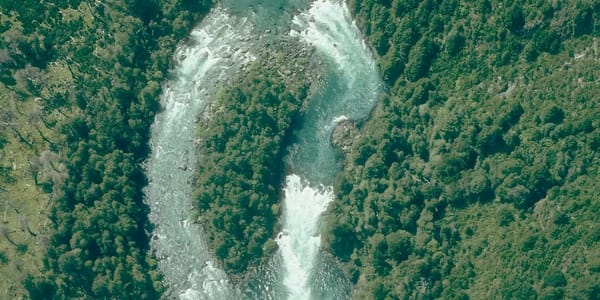
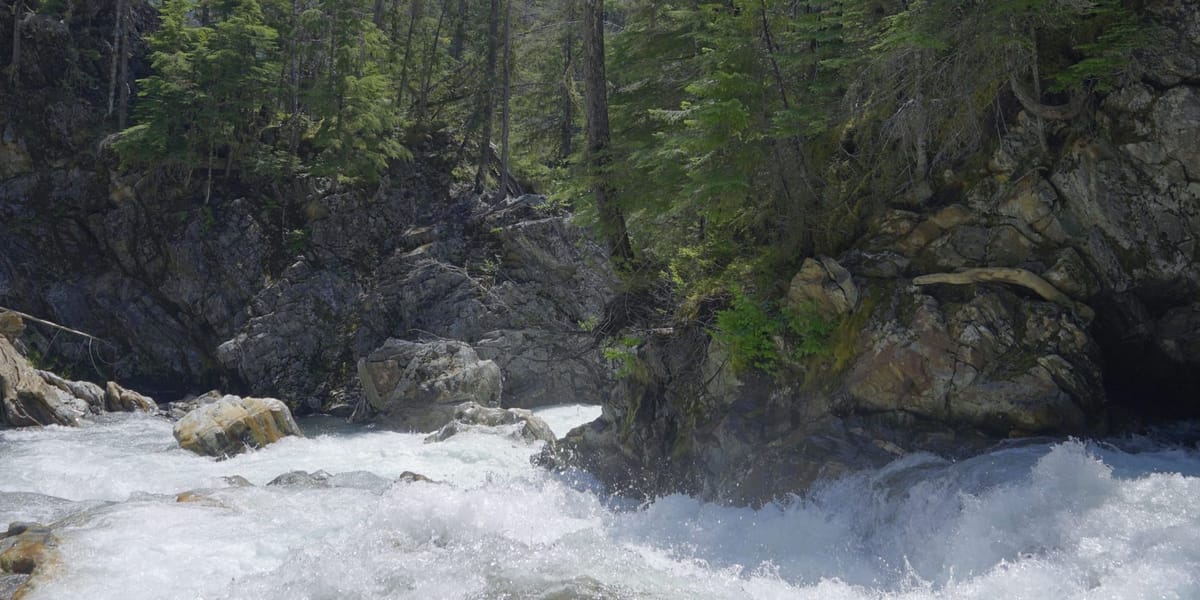
Spanning the inland marine waters of British Columbia and Washington State, the Salish Sea includes Puget Sound, the Strait of Georgia, and the Strait of Juan de Fuca. Its shores and tributaries touch the territories of Coast Salish Nations and dozens of settler communities. But what truly defines this bioregion is its hydrology: rivers like the Fraser, Nooksack, Skagit, Elwha, and Snohomish begin in the glaciated peaks of the Cascades and Coast Mountains, traveling downhill to feed the saltwater inland sea. Each river carries stories, sediment, and life—connecting snowpack to seaweed, mountains to mussels, and people to place.
Coined in the late 20th century by Coast Salish elders, scientists, and educators, the name "Salish Sea" reflects a growing recognition that this region must be understood holistically. Environmental challenges—from salmon decline and toxic runoff to the warming ocean and dwindling snowpack—cannot be addressed in isolation. The bioregional lens reminds us that rivers, estuaries, and bays are one interwoven system. When we protect a tributary, we also protect the pod of orcas hunting in the sea. When we dam a river, we alter the salinity, sediment, and survival of creatures far downstream.
For us at RIVERS, the Salish Sea is both a home and a compass. Our source-to-sea storytelling seeks to trace the veins of this living system, exploring not only the ecological flow but the cultural, historical, and spiritual meanings carried by the water. We believe that bioregional literacy is essential in a time of climate change and ecological loss. To know the Salish Sea is to recognize that every drop of water has a destination, every current a consequence.
In the months ahead, we'll be sharing field notes, short films, oral histories, and maps that follow the major rivers of the Salish Sea from glacial headwaters to tidewater confluence. We invite you to join us in listening—closely and carefully—to this remarkable bioregion.
Words by Wil Henkel | RIVERS project