The Historic Klamath River Accord
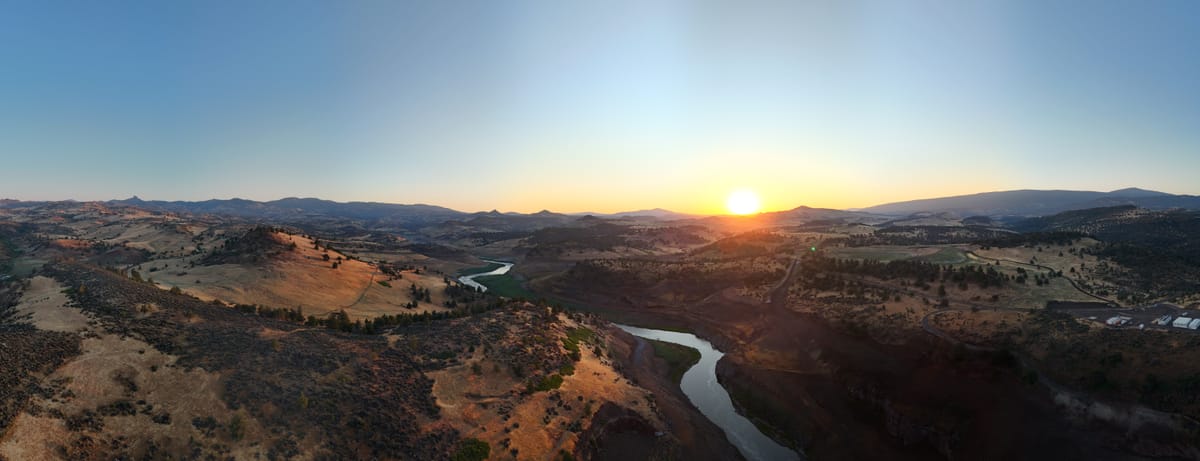
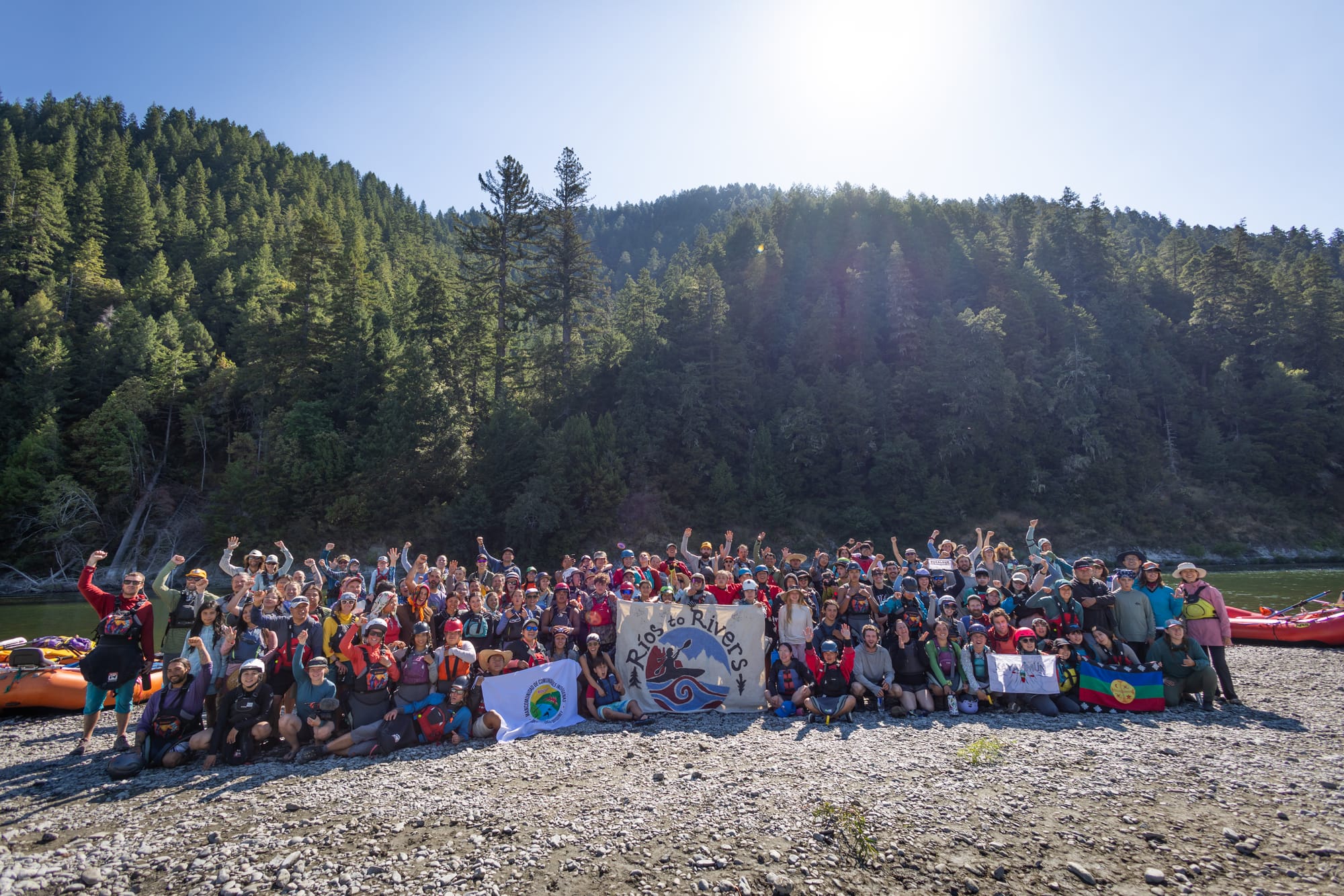
Requa, California, USA – The Klamath River Accord was signed on Sunday July 13th by Indigenous youth, Tribal leaders and allied organizations from multiple river basins around the world - including Chile, Bolivia, New Zealand, China, and the United States - as a call to action for dam removals and a halt to new construction of dams across the globe.
The Klamath River Accord was the culmination of a two-day “Global Free Rivers Symposium” held at the mouth of the Klamath River in northern California, following the first source-to-sea descent of the Klamath River by multi-tribal youth that celebrated the largest dam removals in history on that river. Conceived and written by a coalition of Indigenous youth, the Accord’s preamble “recognizes these dam removals on the Klamath River serve as a model for future climate resilience efforts and acknowledge the urgent need to protect the world’s remaining free-flowing rivers, ensuring that the mistakes made on dammed rivers are not repeated elsewhere.”
Check out a RIVERS exclusive short of the document signing at the mouth of the Klamath river.
“Seeing with our own eyes what is possible on the Klamath River fills us with energy,” said Ashly Jara Castro, a 15-year old member of the Mapuche-Pehuenche community and youth leader in the Kayakimün organization who was a member of the Chilean delegation to the Global Free Rivers Symposium.
“Right now, because of dams on our home river the Biobío, native fish are almost extinct. With a fourth dam being built, these fish will go extinct,” she said. “This Accord also fills us with hope to protect our rivers not only for us but for future generations.”
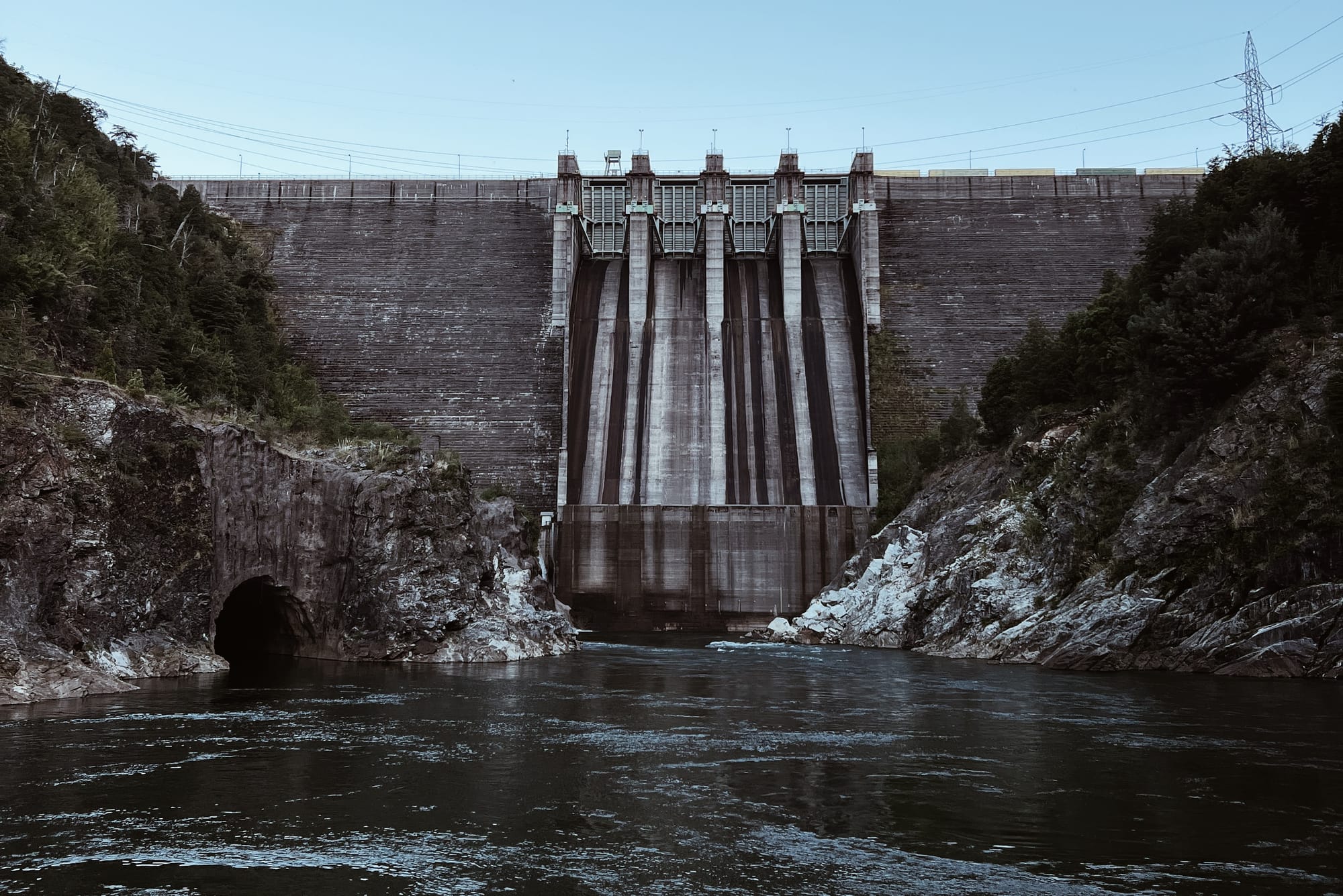
The International delegations to the Symposium shared their experiences and findings of ecological, economic and cultural damage from large dams and hydro-power projects and provided information about what is immediately at stake in threatened watersheds, such as the Snake, Shasta and Trinity rivers and the upper watershed of the Klamath River in the Pacific Northwest of the USA, the Tuichi River in the Beni River basin of Bolivia’s Amazon, and the Biobío River in Chile, among many others.
“With this Accord, we reject the contamination generated by hydroelectric dams like those that had been on the Klamath River that could also occur on our Bolivian Amazon rivers and tributaries,” said Radamir Sevillanos, of a rural Quechua Community in Bolivia. “This Symposium shows us that hydroelectric dams do not generate clean energy, as governments and international organizations say they do.”
The Klamath River Accord commits its signatories to protect free-flowing rivers, oppose construction of new dams, support dam removal as a climate solution, support river restoration, and uphold Indigenous rights, with specific demands of global leaders that Accord signatories intend to take to the United Nations and other decision-making bodies.
The Free Rivers Symposium was sponsored by Ríos to Rivers, Water Climate Trust, Ridges to Riffles, Save California Salmon, Rivers For Climate Coalition, and hosted by the Yurok Tribe.