Tainted Gold: Resistance and Futures in the Ecuadorian Amazon
Tainted Gold, is a community film screening and conversation centered on environmental justice struggles and river-based ways of life in Ecuador’s Napo River Basin.
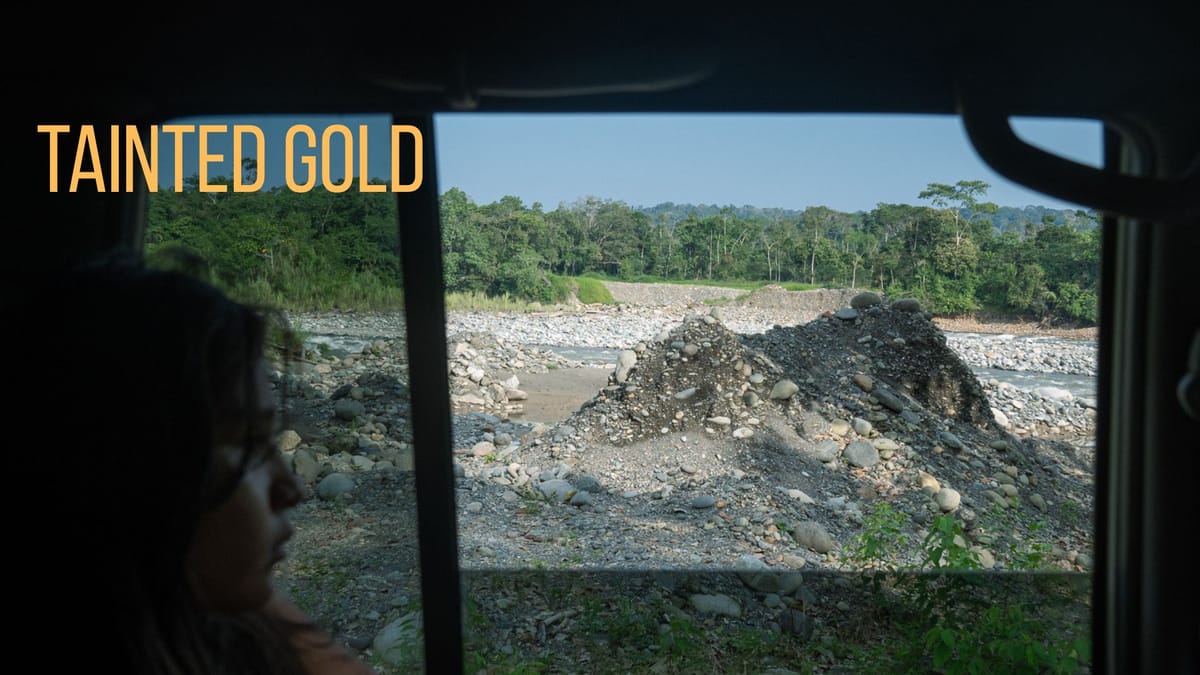
A community film screening and conversation on rivers, extractivism, and environmental justice in the Ecuadorian Amazon.
March 11, 2026
5–7 PM - Google Calendar
Academic West 210 - Western Washington University - Free Admission
RSVP
Please pre-register to help us plan and to receive a reminder before the event.
About the Event
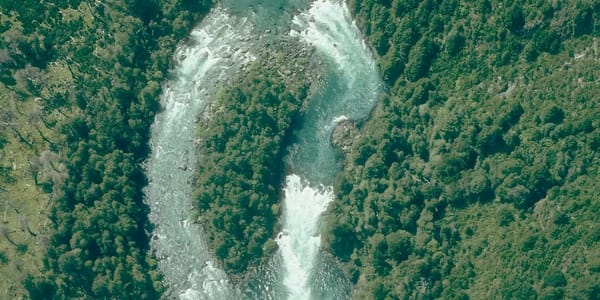
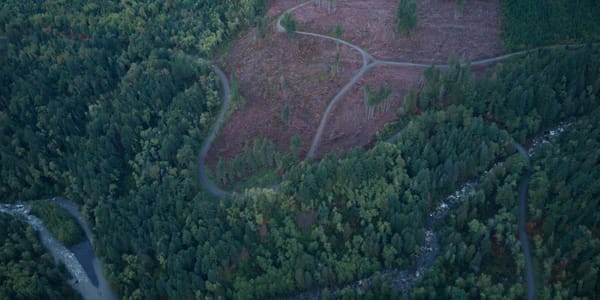
Tainted Gold brings together film, storytelling, and dialogue to explore environmental justice struggles and river-based ways of life in Ecuador’s Napo River Basin. Through two short films and a community conversation, we will trace how alluvial gold mining is reshaping rivers, communities, and futures in the Amazon—and what community-led responses look like on the ground.
The screening will feature the premiere of Episode 1 of The Bleeding Heart of Ecuador, paired with a short film spotlighting Yaku Churis, a holistic youth river school based along the Río Jatun Yaku.
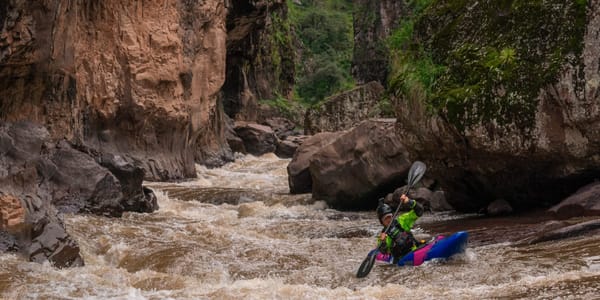
The Bleeding Heart of Ecuador - is an episodic film series exploring rivers, extraction, and environmental justice in the Ecuadorian Amazon. Creators: Ben Stookesberry, William Henkel, Diego Robles, Wyatt Doyle.
Program
Film Screenings
- The Bleeding Heart of Ecuador — Episode 1 (Premiere)
- Yaku Churis — Niños del Río
- Updates from Napo
Teach-In & Panel Discussion (45 minutes)
A facilitated conversation and Q&A connecting struggles in Ecuador’s Napo River Basin to broader environmental justice themes, including land sovereignty, community-led solutions, and what meaningful, place-based action can look like across borders in the face of extractivist economic policies.
Why Attend?
- Learn how gold mining impacts rivers and communities in the Amazon
- Hear stories rooted in lived experience and river-based ways of life
- Connect global environmental justice struggles to local river issues
Following the films there will be a facilitated discussion and Q+A. Connecting struggles in Ecuador’s Napo River Basin to broader environmental justice themes, including land sovereignty, community-led solutions, and what meaningful, place-based action can look like across borders in the face of extractivist economic policies.
Panelists
Dayuma Albán is Ecuadorian. She earned her MA and PhD in cultural anthropology at the University of North Carolina at Chapel Hill. She is currently a full-time professor in the Anthropology Department at Universidad San Francisco de Quito, Ecuador. She has researched the effects of oi extraction on gender dynamics in indigenous territories in the Ecuadorian Amazon, from interdisciplinary perspectives such as political ecology and feminist anthropology, using participatory research methodological approaches.
Wil Henkel is an ethnohydrologist, filmmaker, and expedition kayaker whose work explores the entanglements of water, culture, and extractive economies. Through visual storytelling, he examines how rivers become sites of conflict, meaning, and resistance within complex social and ecological systems. He is currently a graduate student in the Department of Anthropology at Western Washington University.
Francisco Laso received his PhD in Geography from the University of North Carolina at Chapel Hill in 2021. His research examines the relationships between agriculture, wildlife, and conservation, with a focus on the Galápagos Islands. His work positions farmers as central actors in conservation efforts, using mixed quantitative and qualitative methods to understand land use, invasive species, and protected wildlife.
Supported by Sustainability, Equity and Justice Fund of WWU