The Living Nooksack River
Ethnohydrological research and multimodal documentation along the Nooksack River.
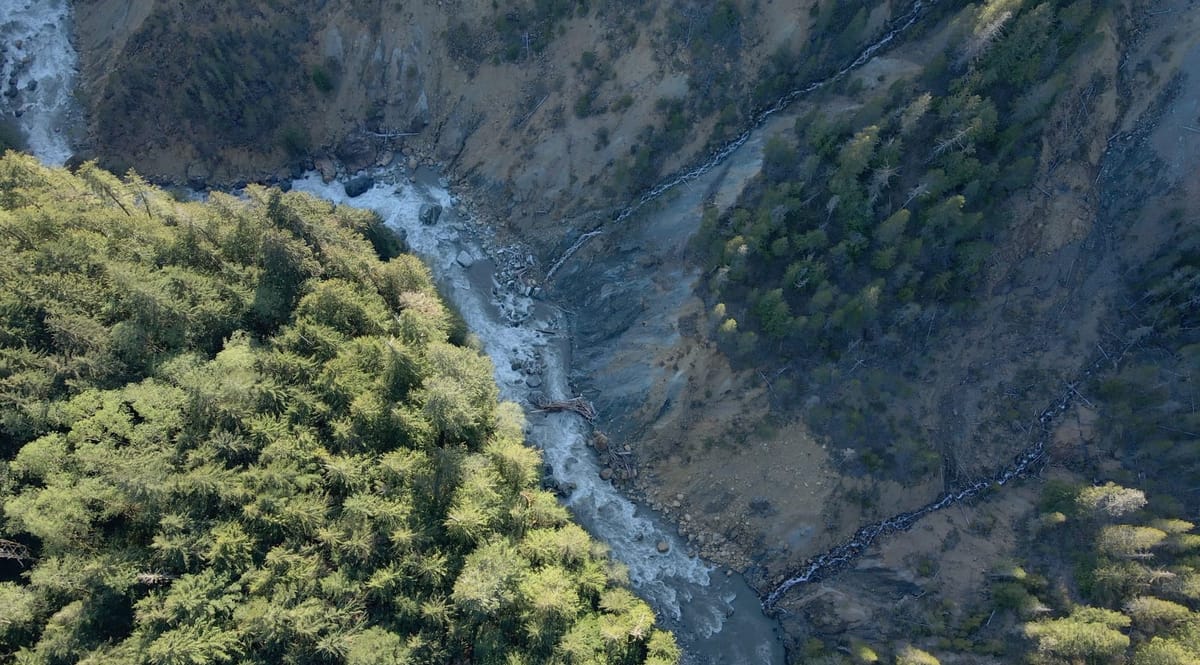
Dominant hydrological frameworks continue to treat rivers as inanimate resources or technical systems. Ethnohydrology has foregrounded relational perspectives, yet rarely has it followed a river as an active relational presence across an entire watershed. The source-to-sea framework in this thesis reveals how hydrological processes and settler colonial infrastructure produce layered and contested relationships between people and water. Focusing on the Nooksack River basin in the Salish Sea, the project examines how glacial retreat, intensifying floods, salmon habitat decline, and ongoing water rights adjudication are reshaping social, ecological, and political life in the basin. By tracing the river from source to sea through interview-based and multimodal ethnography, this project addresses that gap and explores how taking river aliveness seriously reshapes visual representation and storytelling ethics. The primary public-facing artifact of the thesis is a visual ethnographic book that weaves interviews, archival materials, and visual landscape documentation into a legible public-facing narrative. By grounding ontological questions of river aliveness within a focused basin-scale case study, this project contributes both a methodological model for source-to-sea ethnography and a locally situated account of how rivers actively participate in shaping contemporary lifeways.
Story status: In progress
Co- Creators:
The Nooksack River and Wil Henkel
With support from:
Western Washington University, Astral Designs