Is a River Alive? The River of Cedars - Book Review
Reflections from Chapter 1: “The River of Cedars” by Robert Macfarlane
“Everywhere I traveled, I asked people the same question: What is the river saying? This is an old growth question; it has been around a long time. The answers I received were beautiful, cryptic, troubling, and illuminating.”
— Robert Macfarlane, Is a River Alive?
For those of us raised primarily on rationalism, to imagine a river as alive — in a way that exceeds the sum of the lives it contains — is difficult, counterintuitive work. Yet, as Macfarlane reminds us, “Everyone lives in a watershed,” and rivers, “muscular, wistful, worshipped and mistreated,” hold a special position in the human imagination. They resist stasis, flow through thresholds — geological, theological, emotional — and offer us metaphors to live by. “We will never think like rivers,” Macfarlane writes, “but perhaps we can think with them.”
For more details on the concept of the book you can return to our first review in our series here.
Arrival in Ecuador
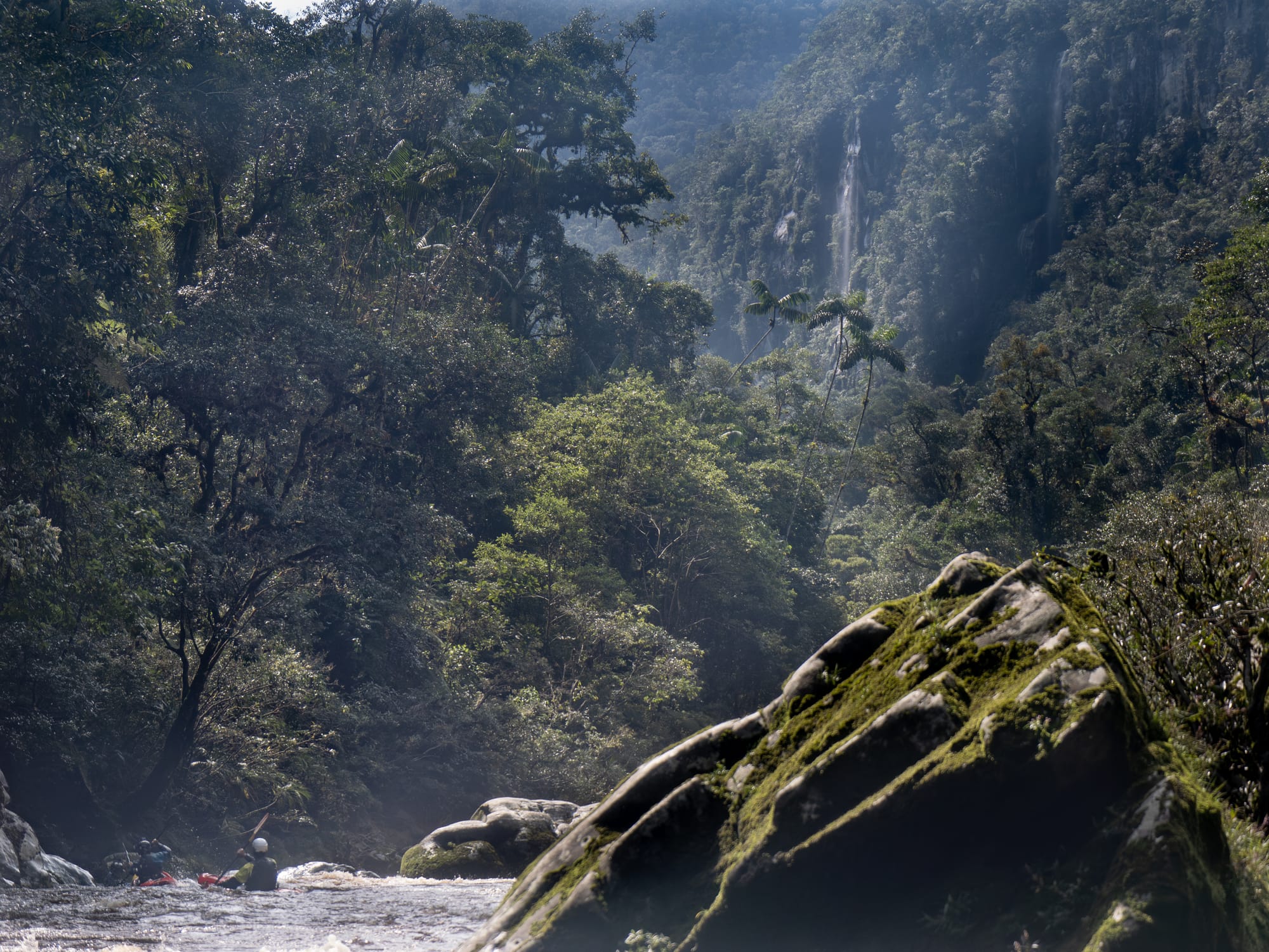
Chapter 1 opens in Ecuador, a country as biodiverse as it is politically complex. Macfarlane drops us into the humid heartbeat of the Amazon headwaters just after his 21st birthday. “Fireflies... thunder muted in the distance... Cotopaxi erupts.” For anyone who has traveled in the region, this imagery is instantly visceral — the clouds steaming into cloud forests, rivers carving their way through the living terrain. We are at the source.
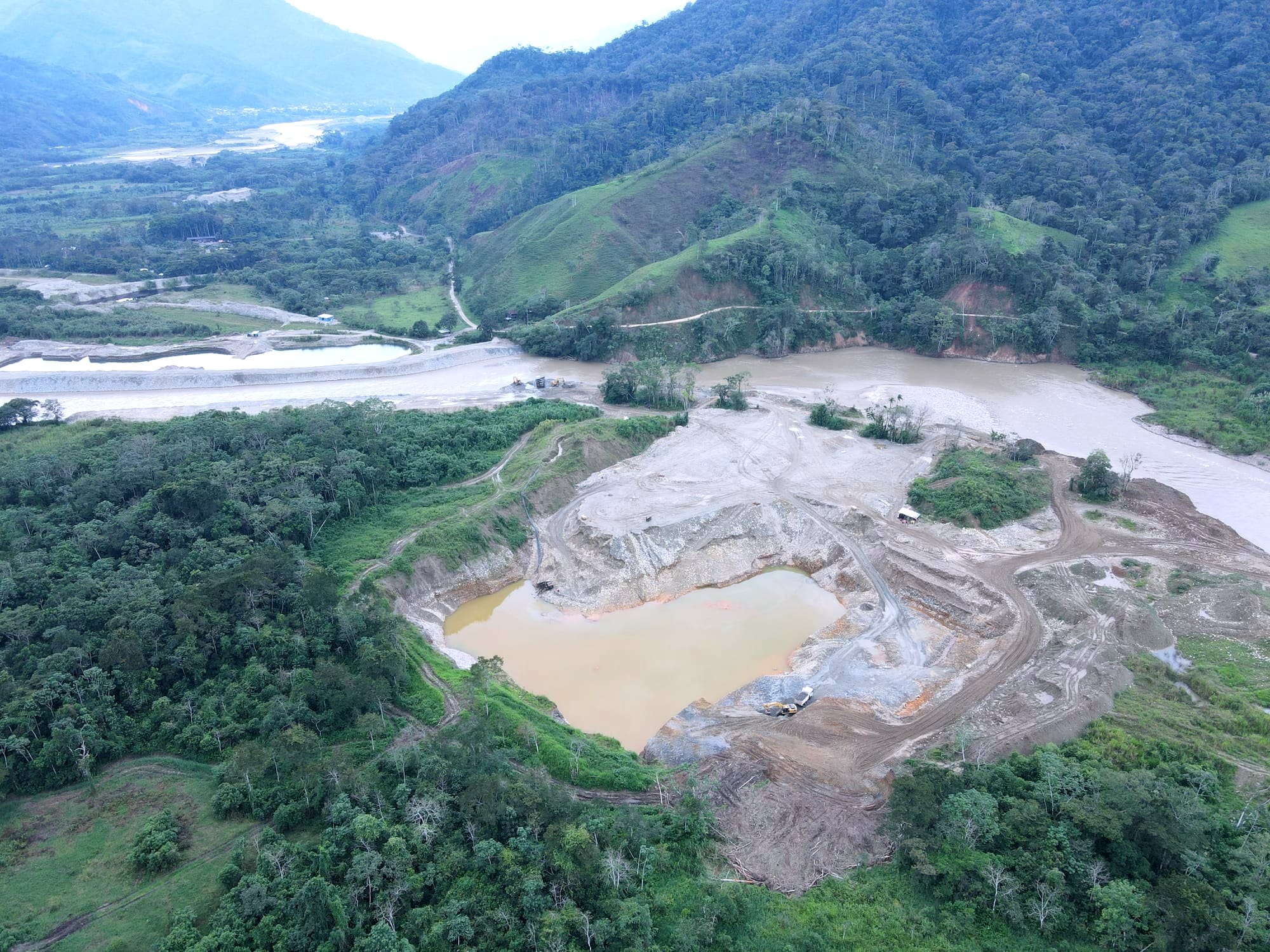
But just as quickly, the narrative shifts: from awe to alarm. “In southwestern Ecuador, mercury leaches slowly into the Puyango-Tumbes river…” Macfarlane introduces the legacy of mining — its poisons, its promises — and the price of gold. "The spot price of a troy ounce climbs past $1,517." A familiar story for those who follow the extractive scars of modern economies.
Rights of Nature and the Path of Resistance
The Ecuadorian Constitution of 2008 was the first in the world to enshrine the Rights of Nature. Articles 71–74 declare that nature “has the right to integral respect for its existence and for the maintenance and regeneration of its life cycles, structure, functions and evolutionary processes.” Macfarlane traces this groundbreaking legal language back to indigenous traditions and revolutionary politics. It sparked a global movement — one still unfolding. Check out or blog on MOTH for more!
This sets the stage for the heart of the chapter: Los Cedros, a remote and astonishingly alive cloud forest in Ecuador’s northwest. Here, he meets Josef DeCoux, who moved into the forest in the 1980s with a tent and a mission. Josef — known as its guardian — opens the forest to Macfarlane and a group of Ecuadorian ecologists, legal scholars, and resistance workers.
“With every step that we take towards the cedar forest on that trail, the sense of the forest’s activity thickens, steams, multiplies, teems.”
This is a forest that breathes, sings, warns, and protects. But below it lies gold and copper, and with the country mired in debt, concessions were made — over 25% of Ecuador’s land was auctioned to mining companies by 2017.
In nearby Intag Valley, the locals fought back. As José Cueva, a coffee farmer, puts it:
“Bread today means hunger tomorrow… Maybe over one to ten years mining pays. But what happens after that, when the mine is exhausted, when the company goes? What is left behind? Nothing. No life. This cannot happen to Los Cedros.”

The River Itself
Eventually, Macfarlane reaches the Rio Los Cedros — the lifeblood of the valley. He swims. He listens.
“Is this thing I’m in really alive? By whose standards? By what proof?”
These are the animating questions of the book — and they resonate deeply with the spirit of this project, RIVERS. As someone who has spent over a year in Ecuador and witnessed firsthand the complex web of life in these forests, I’m humbled by how aligned this chapter feels with my own journey — not just on water, but in thought. This blog is not here to answer such questions, but to continue ask them.